GET CONNECTED
A global career development and professional networking hub for coral researchers, early-career scientists, undergraduates, and other reef specialists
TOGETHER WE CAN MAKE A DIFFERENCE
Log InNot a Member? Register Now!
OUR MAIN OBJECTIVES
Help undergraduates and early career scientists shape their careers through specifically tailored career development resources
Promote networking and collaboration between coral reef scientists at all career stages via our bespoke social media platform
Bridge the gap between coral reef research and the wider world by actively engaging in knowledge sharing
OUR MISSION
The Coral Reef Research Hub is a global career development platform and professional networking community for coral reef professionals, researchers, early-career scientists, and undergraduates. At its core is a free, social media–style interface that enables members to search other member profiles, connect, form niche research groups, and collaborate across disciplines and regions.
The Hub also provides targeted career development support, particularly for undergraduates and early-career scientists, through opportunity listings, training courses, a mentorship programme, knowledge-sharing masterclasses, publication hosting, a small research grants scheme, and more. Together, these resources create a comprehensive and growing ecosystem designed to support progression at every stage of a coral reef career.
By bringing together a global community dedicated to reef science and conservation, The Coral Reef Research Hub serves as a unique online resource that not only connects individuals but actively supports their professional growth and research ambitions. Built by coral reef scientists for coral reef scientists, we believe that together, we are stronger.
Subscribe To Our YouTube Channel

NEW TRAINING COURSES AVAILABLE!
Introductory GIS, Field Techniques and RStudio
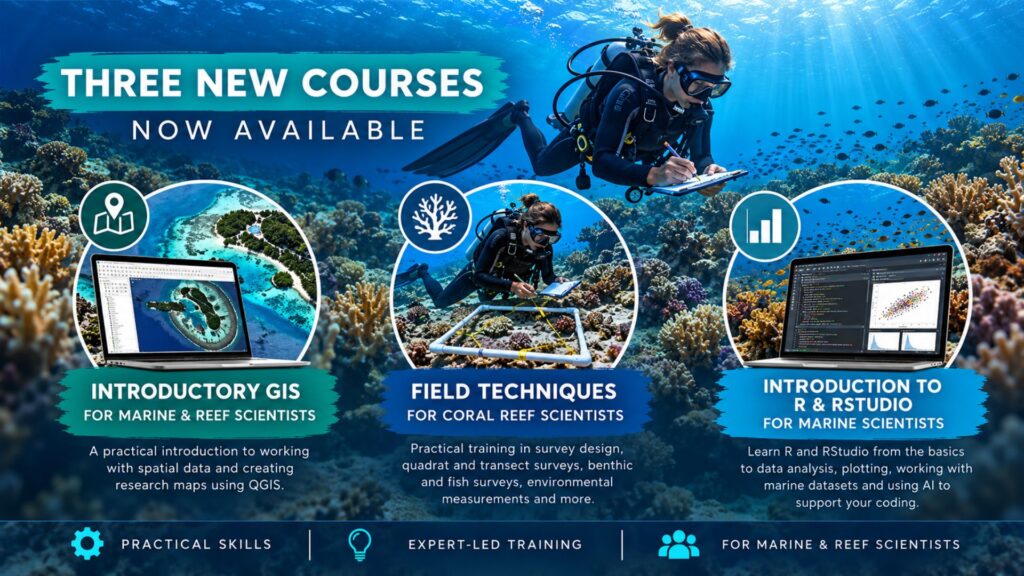
Three new practical training courses are now available through the Coral Reef Research Hub: Introductory GIS for Marine & Reef Scientists, Field Techniques for Coral Reef Scientists, and Introduction to R & RStudio for Marine Scientists. Together, the courses provide accessible, skills-based training in spatial mapping and GIS, coral reef field survey techniques, and data analysis using R, covering three fundamental areas of modern marine and coral reef research.
CORAL MATTERS MAGAZINE ISSUE 4
How Threatened Are Coral Reefs?
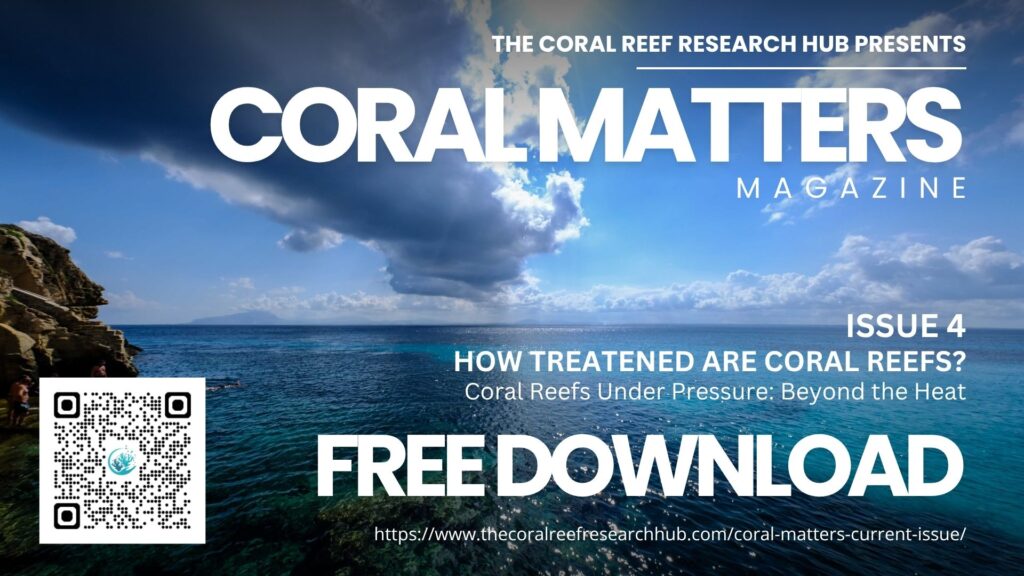
Issue 4 of Coral Matters explores the growing pressures facing coral reefs and the different ways scientists are responding to a rapidly changing ocean. The cover story looks beyond rising temperatures to examine how climate change interacts with local threats such as declining water quality, nutrient pollution, sedimentation and disease, while a second feature explores whether turbid reefs could provide important clues to coral resilience. Together, they highlight both the scale of the challenges facing reefs and the importance of combining global action with effective local management.
CORAL REEF HISTORICAL ARCHIVE
Videos From Around The World
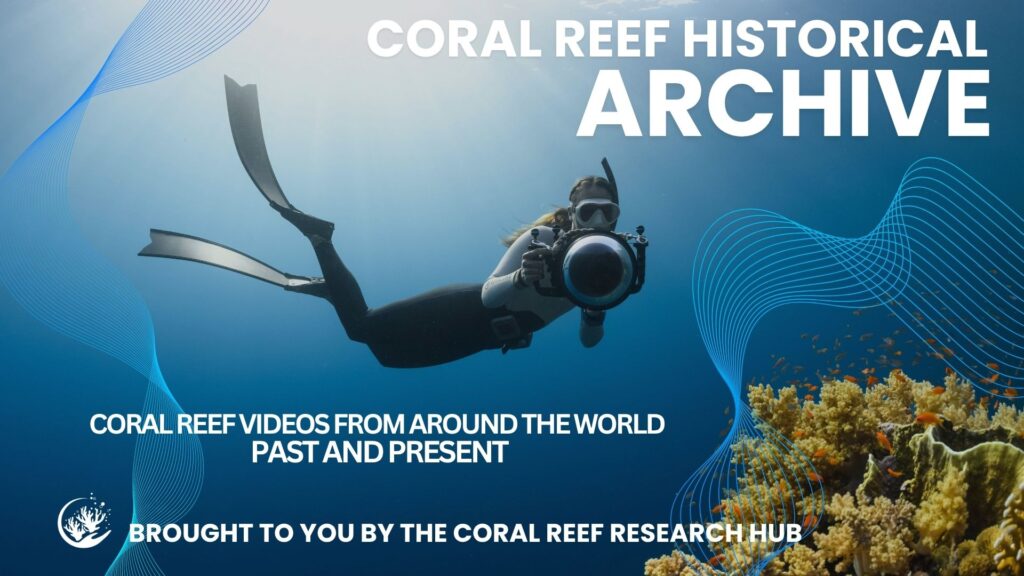
Our growing historical archive brings together past and present coral reef footage from around the world, organised into specific geographical areas. The archive represents a non-systematic visual record rather than standardised scientific monitoring, and can provide valuable insights into how reef environments have changed through time. Broad ecological indicators such as coral cover, algal cover, reef structure, and overall habitat condition may be compared where suitable footage exists, providing an additional resource for exploring long-term ecological change. Available through both The Coral Reef Research Hub website and our YouTube channel, the archive aims to preserve valuable historical records that might otherwise be lost or dispersed, while creating an accessible resource for coral reef research, education, conservation, and public engagement.
OUR PROJECT PARTNERS INCLUDE: